Have you ever wondered why a two-wheeled cart is called a dolly? Despite its simple and seemingly unremarkable name, there is an intriguing history behind this humble transportation device. From its origins as a tool for moving heavy loads to its modern-day applications in various industries, the evolution and significance of the “dolly” is a fascinating tale that will leave you with a newfound appreciation for this everyday object. So, let’s take a journey and uncover the captivating story behind why a two-wheeled cart is called a dolly.
History of the Term “Dolly”
Etymology of the Word
The term “dolly” has an interesting etymology that traces back to the 17th century. It is believed to have originated from the Old English word “dol,” which meant foolish or simple-minded. Over time, this word evolved and started being used to refer to various objects with wheels, eventually leading to its association with the two-wheeled cart we commonly know as a dolly today.
Evolution of the Term
As the term “dolly” became more prevalent, it underwent a gradual transformation in its meaning. Originally used as a derogatory term implying simplicity, it later took on a more neutral connotation associated with a wheeled cart used for transporting goods. This evolution in the term’s meaning reflects the changing perception of the object and its utility over time.
Early Usage of “Dolly”
The early usage of the term “dolly” can be traced back to the industrial revolution, when mechanization and the need for efficient transportation methods emerged. During this period, factories and warehouses required a means to move heavy objects and materials, leading to the adoption of the two-wheeled cart, colloquially known as a dolly. These early dollies played a crucial role in revolutionizing the way goods were transported within industrial settings.
Similar Terms and Their Meanings
Definition of a Cart
A cart is a general term used to describe a vehicle with wheels that is used for transporting goods and materials. Unlike a dolly, which typically has two wheels, a cart can have two, four, or even more wheels depending on its design. Carts are versatile and can be used in various contexts, such as gardening, construction, and agriculture. They often feature a flat or open bed that allows for easy loading and unloading of items.
Explanation of a Trolley
The term “trolley” is often used interchangeably with “dolly,” but it has a slightly different meaning. While a dolly typically refers to a two-wheeled cart, a trolley commonly refers to a large, wheeled cart or platform that runs on tracks or rails. Trolleys are commonly seen in urban settings, especially in cities with tram systems, where they are used for public transportation. They can also be found in grocery stores, where they serve as shopping carts.
Understanding a Hand Truck
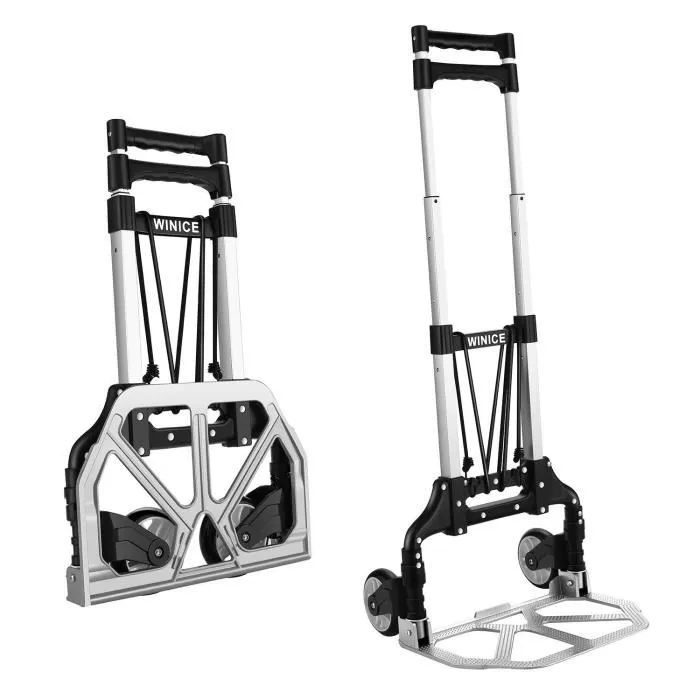
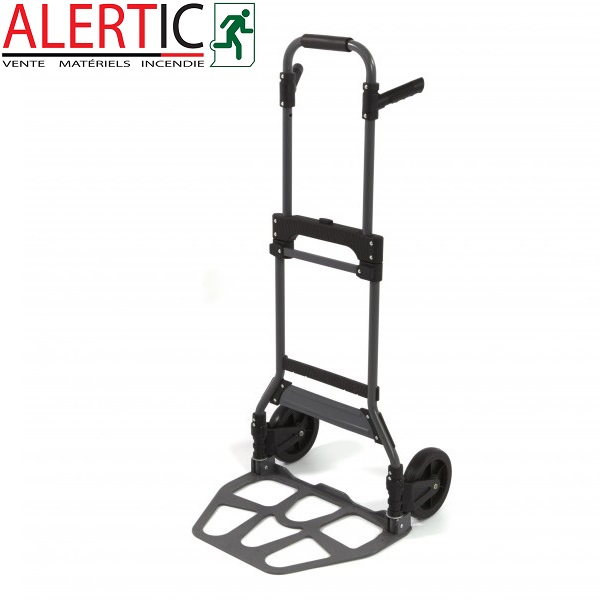
Similar to a dolly, a hand truck also has two wheels and is designed for moving heavy objects. However, a hand truck typically features a vertical frame with handles at the top and a small ledge or platform to support the load. Hand trucks are commonly used in delivery services, moving companies, and warehouses, as they allow for easy transportation of heavy items with reduced strain on the user.
Different Types of Dollies
Varieties of Dollies
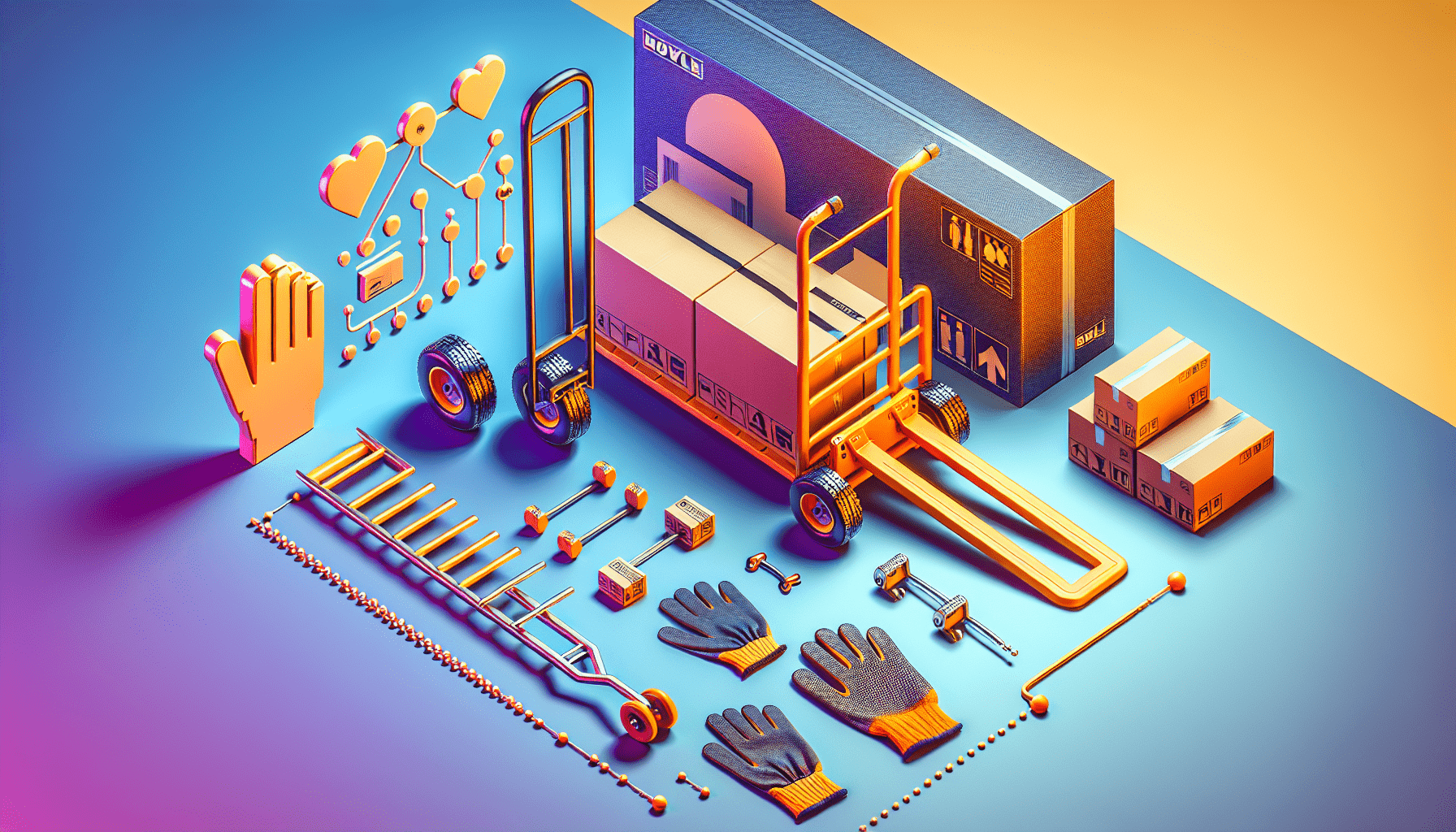
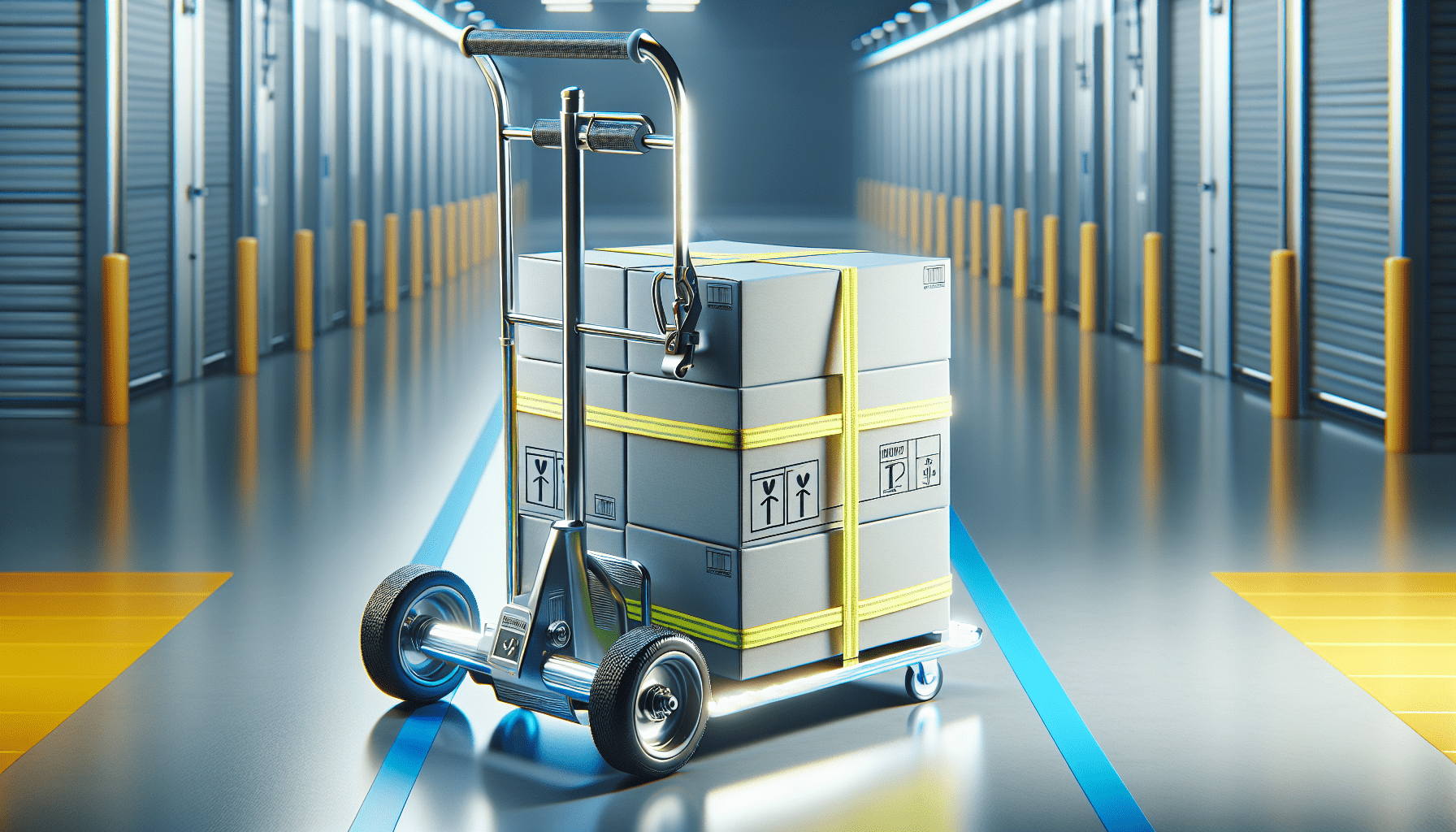
The term “dolly” encompasses a wide range of variations, each designed for specific purposes. One common type of dolly is the furniture dolly, which is equipped with a padded surface to protect and transport heavy furniture. There are also appliance dollies, which have straps and braces to secure large appliances during transport. Additionally, there are platform dollies, which feature a flat surface and are commonly used in warehouses and distribution centers for moving crates and boxes.
Common Uses of Dollies
Dollies have a multitude of applications across various industries and settings. They are frequently used in the moving and relocation industry to transport furniture and household items. In retail and distribution, dollies are essential for efficiently moving and organizing products within warehouses. Moreover, dollies are commonly employed in the film and entertainment industry to move heavy camera equipment, props, and sets.
Specialized Dollies
In addition to the more common types of dollies, there are specialized dollies designed for specific purposes. For example, drum dollies are specifically designed to transport and store drums, allowing for easy movement and access. Glass dollies, on the other hand, are equipped with padded surfaces and straps to safely transport fragile glass materials. These specialized dollies demonstrate the versatility and adaptability of this transportation tool.
Features and Components of a Dolly
Basic Structure
A typical dolly consists of a flat or curved platform with two wheels mounted at one end. The platform can be made of various materials such as wood, metal, or plastic, depending on the intended use. The overall structure is designed to provide stability and support when carrying heavy loads, ensuring smooth and controlled movement.
Wheels and Axles
The wheels are a crucial component of a dolly, enabling it to roll smoothly and effortlessly. They are usually made of rubber or a durable synthetic material to provide grip and ensure traction on various surfaces. Dollies commonly have two wheels, but some variations may have four wheels for additional stability and weight distribution. The axle connects the wheels to the platform, allowing them to rotate and facilitate easy movement.
Handles and Grips
Many dollies are equipped with handles or grips to provide the user with a comfortable and secure grip while maneuvering the load. These handles are typically positioned at a height that allows for optimal leverage and control. Some dollies feature adjustable handles to accommodate users of different heights, further enhancing ease of use and ergonomics.
Benefits and Advantages of Using a Dolly
Easier Transportation
One of the primary benefits of using a dolly is that it significantly simplifies the process of transporting heavy or bulky items. Whether you are moving furniture, appliances, or boxes, a dolly allows you to easily load the items onto the platform and effortlessly roll them to their destination. This eliminates the need for excessive lifting and reduces the risk of injuries associated with manual handling.
Reduction in Physical Strain
By utilizing a dolly, you can minimize physical strain on your body when moving heavy objects. The wheels enable smooth movement, allowing you to distribute the weight of the load across the platform. This reduces the strain on your back, shoulders, and arms, making the entire process more manageable and less physically demanding.
Increased Efficiency and Productivity
The use of a dolly can significantly increase efficiency and productivity in various industries. With the ability to move multiple items simultaneously, dollies eliminate the need for multiple trips and repetitive lifting. This saves time, streamlines operations, and allows workers to focus on other tasks, ultimately boosting overall productivity in warehouses, retail environments, and other sectors that rely on efficient material handling.
Industries and Sectors That Utilize Dollies
Warehousing and Logistics
The warehousing and logistics industry heavily relies on dollies for efficient movement of goods. Dollies enable quick and easy transportation of crates, pallets, and boxes within warehouses, allowing workers to organize and retrieve items efficiently. In large distribution centers, dollies are essential for moving goods across vast spaces, ensuring timely deliveries and reducing downtime.
Retail and Distribution
In the retail industry, dollies play a crucial role in the transportation and organization of merchandise. They are commonly used in stockrooms to move products from storage areas to the sales floor, as well as for restocking shelves. Additionally, dollies are frequently employed in distribution centers to load and unload shipments, making the process more streamlined and reducing manual labor.
Film and Entertainment
The film and entertainment industry heavily relies on dollies for the smooth movement of equipment, props, and sets. Dollies equipped with tracks or rails allow for precise camera movements during filming, creating dynamic and captivating shots. Moreover, dollies provide the necessary stability for transporting delicate and valuable equipment, ensuring the safety of expensive cameras and lighting setups.
Famous Depictions of Dollies in Popular Culture
Movies and TV Shows
Dollies are no strangers to the big screen and have made numerous appearances in movies and TV shows. One iconic example is the use of a dolly shot in the opening scene of Orson Welles’ masterpiece “Touch of Evil,” where the camera follows a car and captures various details of the environment. Dollies have also been utilized in action movies to shoot high-speed chase sequences, adding intensity and visual excitement to the scenes.
Literature and Art
Dollies have not only found their place in visual media but have also been referenced in literature and art. In Charles Dickens’ novel “Hard Times,” the character Stephen Blackpool refers to himself as a “poor muddle-headed chap, like Dolly.” This use of the term “Dolly” lends a sense of simplicity and innocence to the character, reflecting the historical association of the word with foolishness.
Symbolic Representations
Symbolically, dollies represent both physical and metaphorical movement. They embody the idea of progress, adaptability, and the ability to navigate challenges. In this sense, the dolly can be seen as a symbol of resilience and determination, reminding us that we can overcome obstacles and forge ahead, no matter how heavy the load may seem.
DIY Dollies: Building Your Own
Materials Needed
Building your own dolly can be a rewarding and cost-effective option. To construct a basic dolly, you will need the following materials:
- A sturdy platform (wood, metal, or plastic)
- Two wheels suitable for your specific needs (with appropriate axle)
- Handles or grips for maneuverability
- Nuts, bolts, and screws for assembly
Step-by-Step Guide
- Begin by selecting the appropriate platform material and size for your needs. Ensure it is strong enough to support the intended load.
- Attach the wheels to one end of the platform. Consider the type of wheels needed based on the terrain and weight requirements.
- Position the handles or grips on the opposite end of the platform. Make sure they are securely fastened and ergonomically positioned for comfortable use.
- Double-check the stability and balance of your dolly, ensuring that the weight is evenly distributed.
- Test your DIY dolly by loading it with appropriate weight and rolling it on different surfaces. Make any necessary adjustments to ensure optimal functionality and safety.
Safety Considerations
When building your own dolly, it is essential to prioritize safety to avoid accidents and injuries. Follow these key safety considerations:
- Choose appropriate materials that can withstand the intended load and usage.
- Ensure the wheels are capable of handling the terrain and weight requirements.
- Securely fasten all components to prevent any potential hazards.
- Regularly inspect and maintain your DIY dolly to identify and address any wear and tear. This will help prevent accidents and extend the lifespan of your homemade tool.
Future Innovations and Trends in Dolly Technology
Automated Dollies
As technology continues to advance, the future of dollies may see automation integrated into their design. Automated dollies could feature self-propulsion and navigational capabilities, reducing the need for manual pushing and steering. This advancement would cater to industries that require efficient and autonomous material handling, further improving productivity and reducing physical strain on workers.
Smart Features and IoT Integration
With the rise of the Internet of Things (IoT), dollies equipped with smart features could become a reality. These smart dollies might have built-in sensors to monitor load weights, track movement patterns, and communicate with other smart devices in a warehouse or distribution center. This integration of technology would enable real-time data analysis, allowing for better resource management and informed decision-making.
Eco-Friendly Alternatives
In response to the growing concern for sustainability, future advancements in dolly technology may focus on developing eco-friendly alternatives. This could involve utilizing renewable materials for the construction of dollies or implementing energy-efficient features to reduce carbon footprints. By prioritizing environmental considerations, the future of dollies may contribute to a greener and more sustainable approach to transportation and logistics.
Conclusion
The term “dolly” has a rich history and has evolved to become synonymous with the two-wheeled cart we commonly use today. While similar terms like carts, trolleys, and hand trucks share some similarities, each has its distinct features and applications. Dollies have become indispensable tools in various industries, offering benefits such as easier transportation, reduced physical strain, and increased efficiency. Their usage extends from warehousing and logistics to retail, entertainment, and beyond. Dollies have also made their mark on popular culture and have been symbolically associated with progress and overcoming challenges. For those interested in a more hands-on approach, building a DIY dolly can be both rewarding and cost-effective. Looking ahead, future innovations may bring automated dollies, smart features, and eco-friendly alternatives to the world of material handling. With their enduring versatility and practicality, dollies will undoubtedly continue to play an integral role in the way we transport goods and materials.