Have you ever wondered what the modern-day equivalent of a handcart is? You know, those trusty companions that help us transport our belongings effortlessly from one place to another? Well, in a world of advanced technology and innovative solutions, the answer might surprise you. From humble beginnings to a remarkable transformation, the handcart has evolved into something incredible. So, let’s take a closer look at how this everyday essential has adapted to meet the needs of today’s fast-paced world.
Traditional Handcarts
Definition
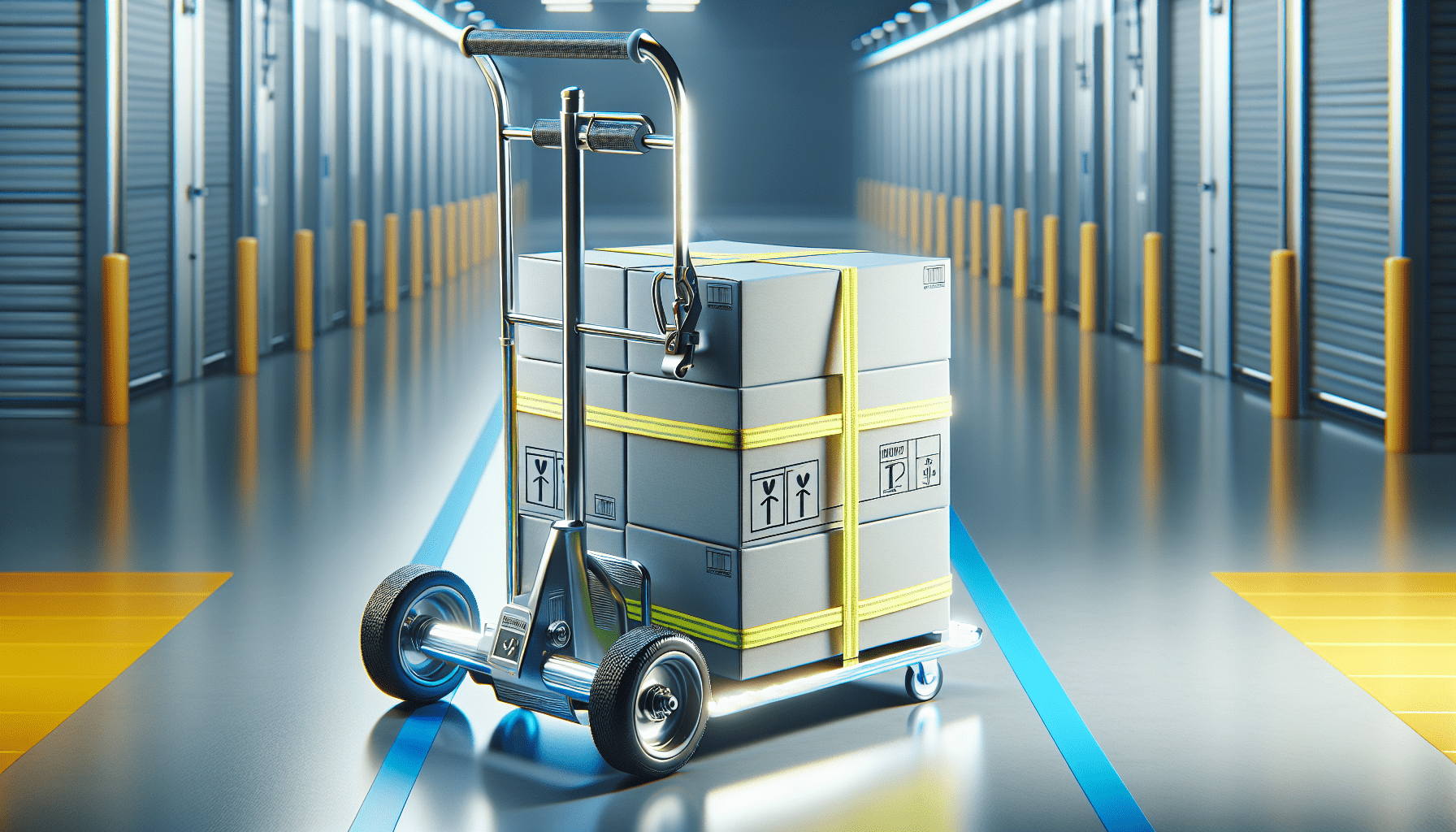
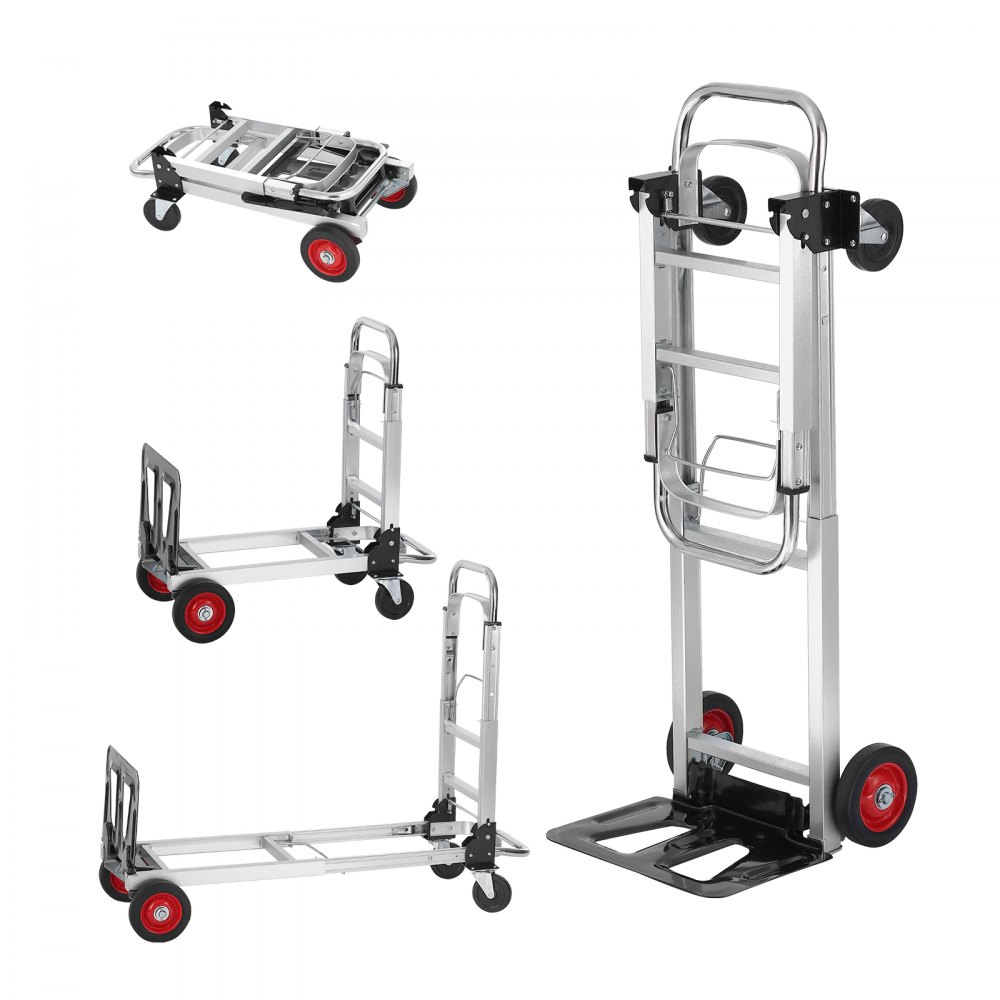
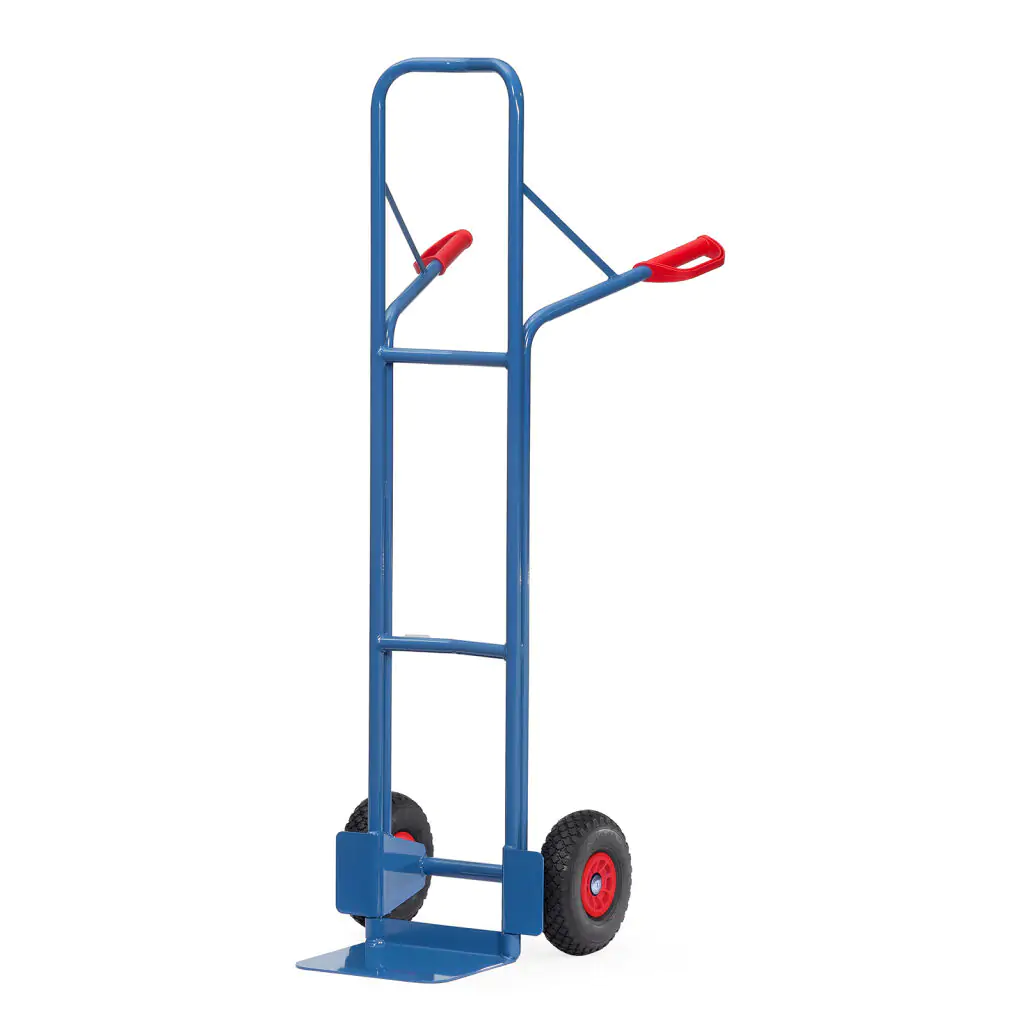
A traditional handcart, also known as a pushcart or a hand truck, is a manual transportation device that is operated by pushing or pulling. It consists of a platform or a metal frame with wheels and handles, allowing for easy movement of heavy or bulky items.
Historical Background
The use of traditional handcarts dates back to ancient times, where they were primarily used for transporting goods and supplies over short distances. In different regions of the world, various designs and materials were used for constructing handcarts based on the available resources.
Types of Traditional Handcarts
Traditional handcarts can be broadly categorized based on their designs and specific purposes. One common type is the two-wheeled cart, which features a long handle and is capable of carrying heavier loads. Another type is the four-wheeled cart, which provides stability and is often used for transporting goods over longer distances.
Modern Handcarts
Definition
Modern handcarts have undergone significant advancements in design and functionality compared to their traditional counterparts. These hand-operated devices are widely used in various industries and sectors due to their versatility, convenience, and efficiency.
Evolution of Handcarts
The evolution of handcarts can be attributed to the need for more specialized and advanced transportation methods. Over time, designers and manufacturers have incorporated ergonomic features, lightweight materials, and innovative wheel designs to enhance maneuverability and ease of use.
Types of Modern Handcarts
Modern handcarts encompass a wide range of specialized carts, each designed for specific purposes and industries. Some common types include utility carts, garden carts, luggage carts, industrial carts, platform trucks, shopping carts, food carts, and furniture dollies. Each type serves a distinct function and offers unique features that cater to various applications.
Utility Carts
Definition
Utility carts, also known as service carts, are versatile hand-operated carts that are widely used in commercial and domestic settings. These carts feature multiple levels of storage compartments or shelves, allowing for efficient organization and transportation of various items.
Applications
Utility carts find extensive applications in environments such as offices, hospitals, hotels, schools, and homes. They are commonly used for transporting supplies, files, equipment, and other items within a building or facility. Additionally, utility carts are utilized in industries such as food service, janitorial services, and maintenance for easy access to tools and cleaning supplies.
Features
Utility carts are designed to maximize functionality and ease of use. They often feature sturdy construction with durable materials such as steel or plastic, ensuring longevity and reliability. Many utility carts have adjustable shelves or compartments to accommodate items of different sizes. Some carts also come with locking mechanisms or integrated power outlets for added security and convenience.
Garden Carts
Definition
Garden carts, also referred to as yard carts or wheelbarrows, are specialized handcarts designed for outdoor use in gardening and landscaping tasks. These carts are specifically constructed to withstand rough terrains while facilitating the transportation of tools, plants, soil, and other gardening materials.
Uses in Gardening
Garden carts are essential tools for both professional gardeners and homeowners with green thumbs. They aid in tasks such as moving heavy pots, transporting soil, mulch, or compost, and moving plants or garden waste. With their sturdy wheels and ergonomic handles, garden carts make gardening tasks more efficient and less strenuous.
Features
Garden carts are engineered with features that cater to the specific needs of gardeners. They often have a deep and spacious tub or tray made of durable materials like plastic or metal. The cart’s wheels are designed to tackle uneven terrain and maneuver easily through grass, gravel, or dirt. Some garden carts may also include additional features like built-in tool holders, dumping capabilities, or removable sides for easy loading and unloading.
Luggage Carts
Definition
Luggage carts, commonly found in airports and hotels, are designed to assist travelers in transporting their suitcases and bags easily. These carts provide a convenient solution for moving heavy luggage, reducing the strain on travelers and offering a hassle-free experience.
Airport Usage
Luggage carts are a common sight at airports worldwide. They are typically available near luggage claim areas or at designated cart stations. Travelers can use these carts to transport their luggage from check-in or pick-up points to their vehicles or the airport facilities. Luggage carts in airports often require a small fee or deposit, which is refunded upon the return of the cart.
Hotel Usage
Hotels also provide luggage carts for their guests to conveniently transport their belongings to their rooms. These carts are often available near the lobby or entrance, ready to assist guests with their luggage. They are designed with sturdy frames and durable wheels to withstand the weight of multiple suitcases, ensuring a smooth and effortless transition for hotel guests.
Industrial Carts
Definition
Industrial carts, also known as warehouse carts or material handling carts, are heavy-duty handcarts specifically designed for use in industrial and manufacturing environments. These carts are built to withstand demanding conditions and are essential tools for efficient material transportation within facilities.
Warehouse Usage
In warehouses or distribution centers, industrial carts play a crucial role in moving goods between different areas. They are used to transport pallets, boxes, and other heavy loads, reducing the need for manual lifting and minimizing the risk of injuries. Industrial carts are designed to withstand heavy loads and are often equipped with features like ergonomic handles, sturdy frames, and secure attachments to ensure safe and efficient movement of materials.
Manufacturing Usage
In manufacturing facilities, industrial carts are utilized for various purposes such as transporting raw materials, components, or finished products along assembly lines. These carts are designed with specific configurations, such as adjustable shelves or racks, to accommodate different manufacturing processes. Industrial carts enhance workflow efficiency and contribute to a well-organized production environment.
Platform Trucks
Definition
Platform trucks, also known as platform trolleys or dolly trucks, are versatile carts designed to transport heavy and oversized items. These carts feature a large, flat platform or a low-lying deck that provides ample space for securely placing objects for transportation.
Warehouse Usage
Platform trucks are widely used in warehouses and distribution centers for moving bulky items, large boxes, or equipment. With their sturdy wheels and robust construction, they are capable of supporting significant loads and navigating uneven surfaces. Platform trucks facilitate the loading and unloading of goods onto trucks or shelves within the warehouse, enhancing operational efficiency.
Transportation Usage
Platform trucks also find applications in logistics and transportation industries. They are utilized for loading and unloading goods from trucks, delivery vans, or cargo containers. Platform trucks with folding or collapsible handles are particularly advantageous, as they can be easily stored or transported when not in use. These carts contribute to streamlining the transportation process and ensuring the safe movement of goods.
Shopping Carts
Definition
Shopping carts, commonly seen in supermarkets and retail stores, are specially designed handcarts for customers to conveniently transport their purchases during shopping trips. These carts are a quintessential part of the modern retail experience, offering ease and convenience to shoppers.
Supermarket Usage
Supermarket shopping carts have become an integral aspect of grocery shopping. Customers can fill their carts with groceries, household items, or other purchases throughout the store. These carts typically feature a metal frame, a large basket, and rotating wheels for easy maneuverability. Shopping carts often come in different sizes to accommodate varying shopping needs, from small hand-held baskets to larger family-sized carts.
Features
Shopping carts are designed with several features to enhance the shopping experience. Many carts have child seats or safety belts to provide a secure space for young children while shopping. Some carts also include additional storage compartments for personal belongings or bags. The wheels of shopping carts are engineered for smooth movement, incorporating swivel mechanisms that allow for easy navigation through aisles and tight spaces.
Food Carts
Definition
Food carts, also known as food trucks or mobile food vendors, are specialized handcarts that serve as mobile kitchens or food outlets. These carts offer a convenient and flexible way to provide food services, catering to customers at various locations.
Street Food Vendors
Food carts are commonly associated with street food vendors who offer a wide variety of culinary delights to passersby. These carts allow vendors to set up a mobile kitchen, preparing and serving food to customers directly from their cart. Street food carts offer an affordable and accessible dining option, often showcasing local or cultural specialties.
Mobile Food Vendors
Food carts are also utilized by mobile food vendors who cater events, festivals, or private gatherings. These carts act as portable kitchens, enabling vendors to cook and serve their offerings on-site. Mobile food vendors often specialize in a specific cuisine or food type, providing unique and diverse dining experiences.
Furniture Dollies
Definition
Furniture dollies, also referred to as moving dollies or moving skates, are handcarts specifically designed for moving heavy furniture and appliances. These carts feature a flat, rectangular platform with four wheels, allowing for efficient and safe transportation of bulky items.
Moving Furniture
Furniture dollies are indispensable tools when it comes to relocating furniture within homes, offices, or other settings. They enable individuals to move heavy items such as couches, desks, or refrigerators with ease. By placing the furniture on the dolly’s platform and utilizing the wheels, the weight is distributed, reducing strain and eliminating the need for excessive lifting.
Features
Furniture dollies often come with additional features to ensure secure and efficient transportation. Some dollies include straps or hooks to securely fasten furniture to the platform, preventing shifting or tipping during movement. Dollies may be equipped with padded surfaces to protect delicate or valuable furniture from scratches or damage. Additionally, some models have adjustable handles or folding capabilities for easy storage after use.
In conclusion, hand carts in their traditional and modern forms have become indispensable tools in various industries and everyday life. From the convenience of shopping carts to the efficiency of utility carts and the versatility of industrial carts, these handy devices continue to play a significant role in transportation and material handling. Whether it’s moving heavy furniture, gardening tasks, or providing mobile food services, hand carts have evolved to cater to a diverse range of applications, improving efficiency, and simplifying our lives.