Have you ever wondered what a sack barrow is called in America? Well, look no further! In this article, we will explore the different names used in America to refer to this handy tool. Whether you call it a sack barrow, a hand truck, or a dolly, you’ll be sure to find out the most commonly used term in the United States. So, let’s dive right in and discover the American terminology for this essential piece of equipment!
What Is A Sack Barrow Called In America?
Definition of a Sack Barrow
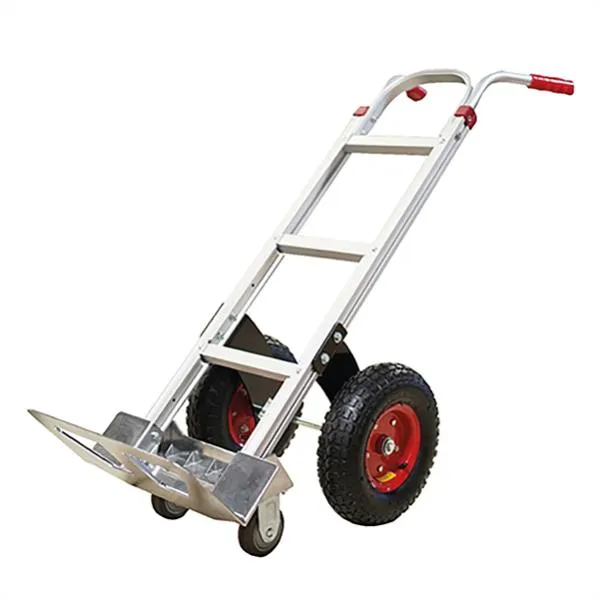
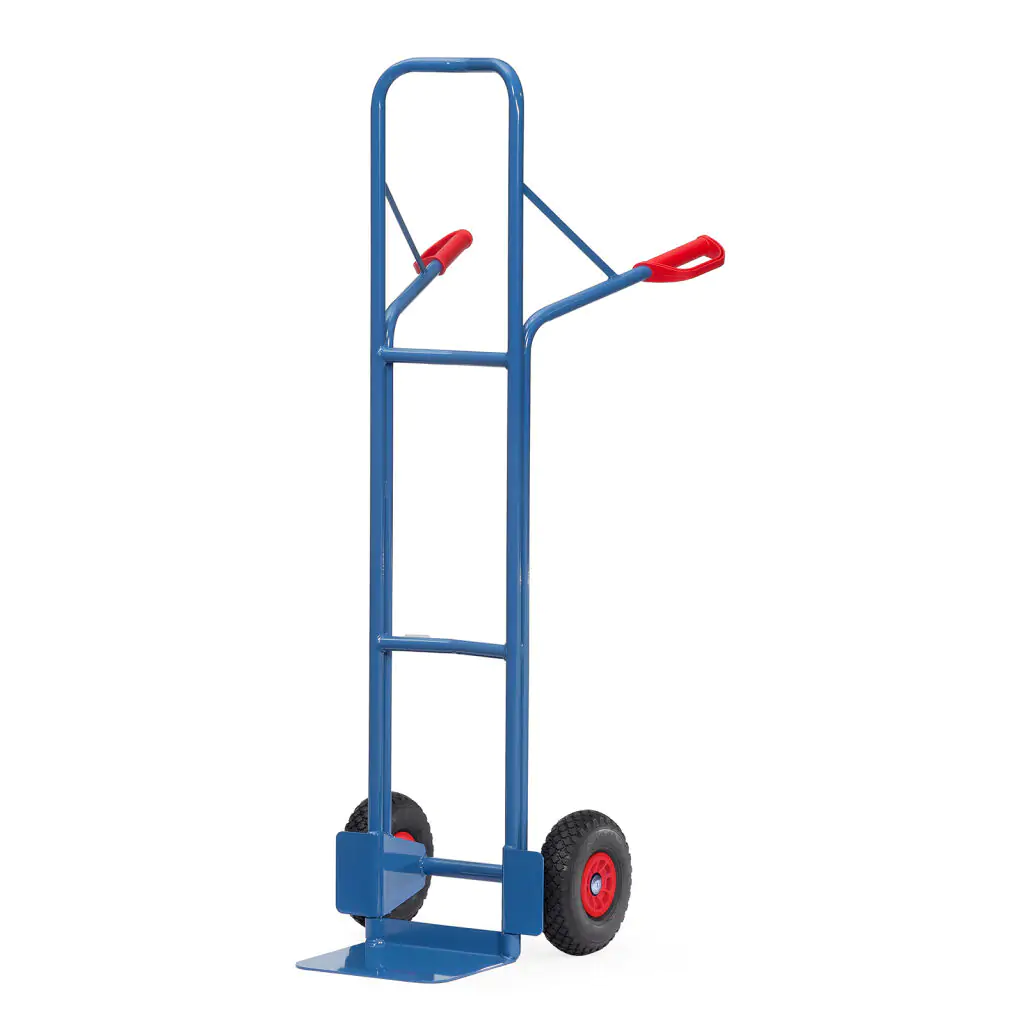
A sack barrow is a practical and versatile piece of equipment that is used to transport heavy or bulky items. It is designed with a sturdy frame and wheels, allowing users to easily maneuver heavy loads without straining their backs or shoulders. In America, a sack barrow is commonly referred to as a hand truck or a dolly.
Regional Variations in Terminology
While “hand truck” and “dolly” are the most commonly used terms for a sack barrow in America, it is worth noting that there can be regional variations in terminology. In some areas, people may also use terms like “two-wheel hand truck” or “moving dolly” to describe the same equipment. However, regardless of the terminology used, the basic function and design of the sack barrow remain the same.
Common American Names for a Sack Barrow
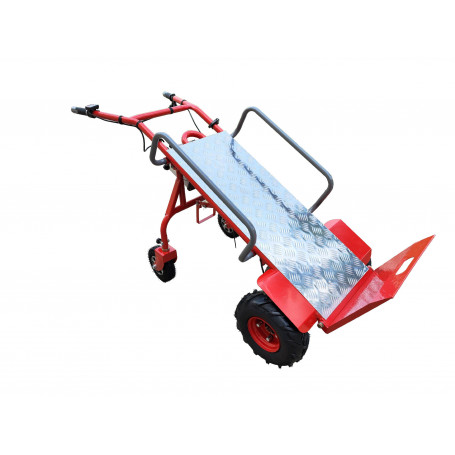
As previously mentioned, the most prevalent names for a sack barrow in America are hand truck and dolly. The term “hand truck” often refers to the two-wheel variety of the equipment, while “dolly” usually refers to the four-wheel version. However, this distinction is not always strict, and the terms can be used interchangeably. It is always a good idea to clarify the specific type or design of the sack barrow when using these generic names.
Physical Features of a Sack Barrow
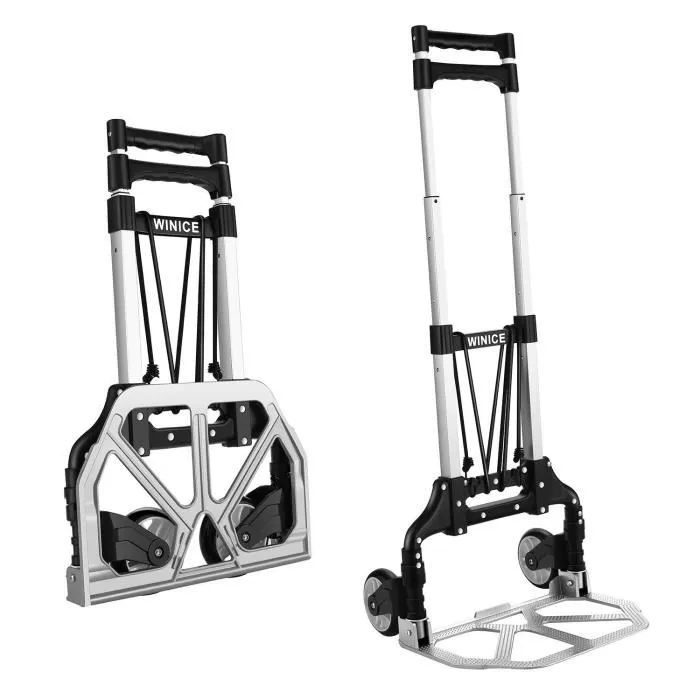
A sack barrow typically consists of a metal or aluminum frame, wheels (two or four), and a horizontal platform or shoe where the load is placed. The frame is designed to be robust and ergonomic, providing stability and ease of use. The wheels are typically made of solid rubber or pneumatic tires, depending on the intended use and terrain. Some sack barrows also feature foldable handles or additional attachments to facilitate different types of loads.
Use Cases for a Sack Barrow
Sack barrows have a wide range of applications and can be used in various industries and settings. They are commonly employed in warehouses, retail stores, delivery services, and even residential moving tasks. Sack barrows are invaluable for transporting heavy boxes, furniture, appliances, and other bulky items. They make the process of moving goods significantly more efficient, reducing the risk of injuries and increasing productivity.
Working Mechanisms of a Sack Barrow
The working mechanism of a sack barrow is fairly straightforward. When using a two-wheel hand truck, you tilt the sack barrow towards you, allowing the load to rest against the frame. Using the handles, you then push or pull the sack barrow, utilizing the wheels to support the weight and enable smooth movement. In the case of a four-wheel dolly, you simply place the load on the platform and push it from behind. The wheels distribute the weight evenly, making it easier to maneuver the load.
Advantages and Benefits of a Sack Barrow
The use of a sack barrow offers numerous advantages and benefits. Firstly, it significantly reduces the physical strain on the user by allowing them to transport heavy loads with minimal effort. This not only prevents injuries but also increases efficiency and productivity. Secondly, a sack barrow enables better weight distribution, reducing the risk of goods getting damaged during transportation. Additionally, sack barrows are often compact and lightweight, making them easy to store and transport in vehicles when not in use.
Safety Considerations When Using a Sack Barrow
While a sack barrow is a practical tool, it is important to prioritize safety when using it. Always make sure that the load is properly situated and secured on the platform, using straps or bungee cords if necessary. Be mindful of the maximum weight capacity of the sack barrow and avoid exceeding it to prevent damage or accidents. When moving on inclines or uneven surfaces, exercise caution and maintain a firm grip on the handles. Finally, always use proper lifting techniques and avoid bending or twisting your body when maneuvering the sack barrow.
Popular Brands and Models of Sack Barrows in America
There are various reputable brands that manufacture high-quality sack barrows in America. Some popular brands include Milwaukee, Harper Trucks, Magliner, and Wesco, among others. These brands offer a wide range of models, catering to different needs and preferences. From heavy-duty industrial sack barrows to lightweight and foldable options for residential use, there are plenty of choices available in the market.
Alternative Tools to a Sack Barrow in America
While a sack barrow is an excellent tool for transporting heavy loads, there are alternative options available in America. For smaller loads or situations where a traditional sack barrow may not be suitable, one can consider using a furniture dolly, a wheelbarrow, or even a utility cart. These tools offer different features and advantages, catering to specific needs. It is essential to assess the requirements of the task at hand and choose the appropriate tool accordingly.
In conclusion, a sack barrow, known as a hand truck or dolly in America, is an indispensable tool for transporting heavy or bulky items. Its sturdy frame, wheels, and ergonomic design make it a reliable and efficient solution for various industries and settings. By understanding its physical features, working mechanisms, and safety considerations, you can make the most out of a sack barrow and ensure a smooth and secure transportation process. Whether you choose a two-wheel hand truck or a four-wheel dolly, investing in a high-quality sack barrow can greatly enhance your productivity and protect your physical well-being.